
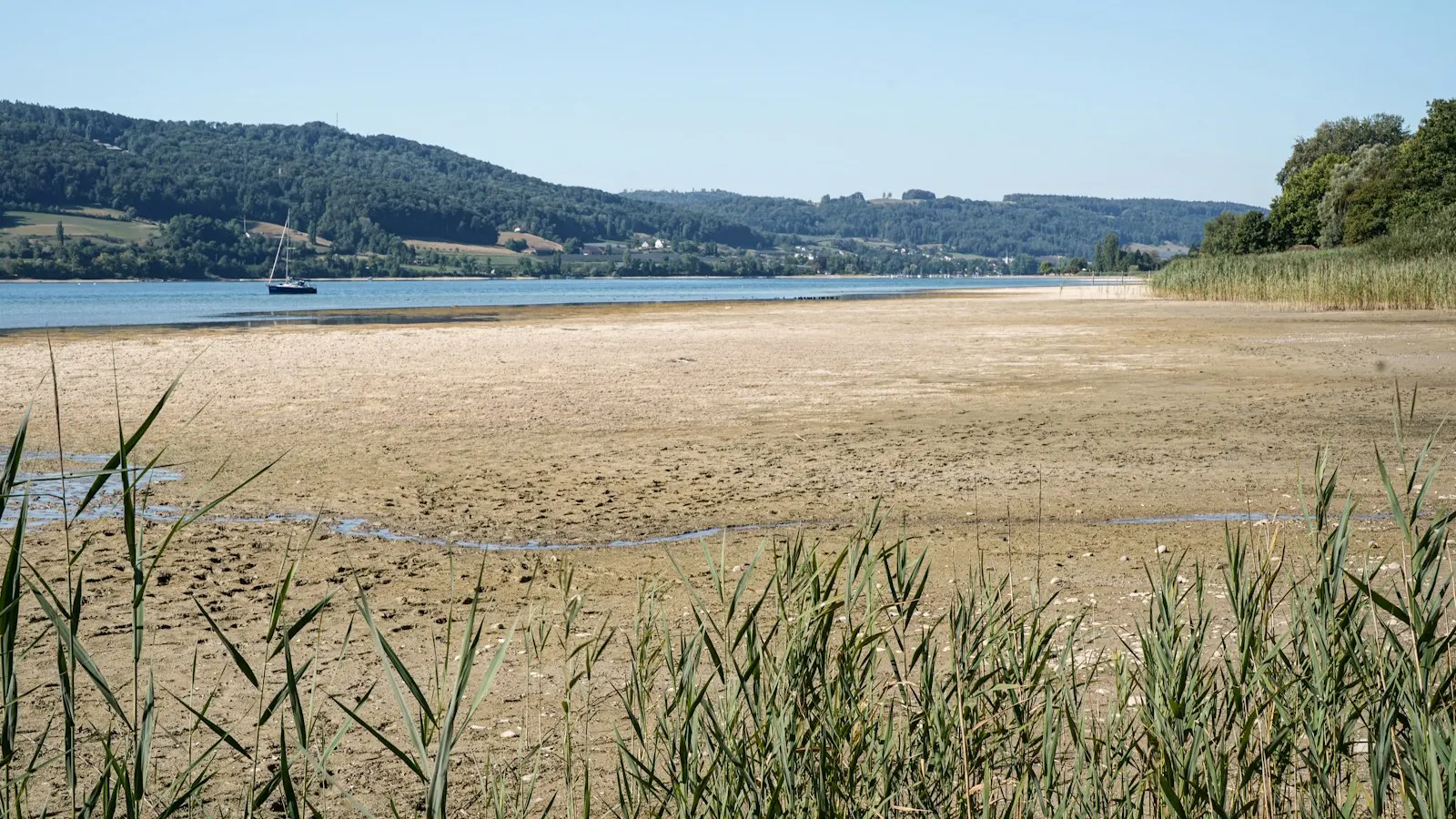
Every fall, usually right around the first of October, the water on Lake Wedowee starts going down. If you are new to the lake, the first time you watch it can be unsettling. Docks that floated all summer end up on mud. Coves that held bass boats in July turn into creek beds by Thanksgiving.
We have lived through a lot of these drawdowns and shown a lot of property during them. The drawdown is normal, it is planned, and for anyone shopping for a lot or a home, it is the most useful eight feet of the year. Here is what happens, why, and how it should shape your thinking.
Why Alabama Power lowers the lake
Lake Wedowee is officially the R.L. Harris Reservoir (Harris Lake), an Alabama Power hydroelectric lake on the Tallapoosa River. Alabama Power lists it at 9,780 acres with 367 miles of shoreline and a full pool of 793 feet, with the dam in service since April 1983.
Harris is what Alabama Power calls a storage project, meaning the lake is designed to rise and fall with the seasons. According to the Harris lake page, the operating guide declines during fall and early winter to make room for normal winter and spring flood flows. Alabama Power’s Fall 2024 drawdown announcement put it plainly: lake levels are lowered in the fall to prepare for winter and spring rains, which helps prevent flooding while also supporting recreation, wildlife habitat, navigation, and water supply.
The timeline: 793 to 785 and back
One honest caveat first: as of the day we are writing this, the newest Harris drawdown schedule we could find on Alabama Power’s Shorelines site is the Fall 2024 post. We did not find a Fall 2025 or Fall 2026 post for Harris. The pattern has been consistent for years, but check the Harris lake page for the current level before you plan around it.
- Summer pool (full pool): 793 feet.
- Winter pool: 785 feet.
- Drawdown begins: October 1.
- Winter pool reached: by November 30.
- Refill: the lake works its way back toward full pool through late winter and spring. Lake Wedowee Life magazine describes April 1 as when the water starts coming back to full pool, which matches what we see most years.
So the total drop is eight feet, spread over about two months, and the lake stays low through the heart of winter.
Weather can change that picture. In April 2026, Alabama Power reported that much of the state was in some level of drought and that storage lakes like Harris feel it the most. In a dry year the lake may already be below summer pool before the official drawdown starts.
What the drawdown exposes
Eight feet does not sound like much until you see it on a sloping bank. On a gentle shoreline, eight vertical feet can move the waterline out 30, 50, or even 100 feet. On a steep bank near the dam it might move only a few feet. That difference is why some properties are “year-round water” and others are not. Here is what shows up when the water goes down:
- The true bottom under your dock: rock, red clay, or silt, and whether it slopes off or flattens out.
- Stumps and debris that were a foot under the surface all summer.
- The condition of rip-rap and seawalls below the summer waterline, where damage hides.
- Whether a cove holds water at 785 or turns into a mudflat with a creek down the middle.
- Erosion scars, undercut banks, and slumped fill.
Most of the lake stays plenty deep; the main channel and lower lake barely look different at winter pool. But the upper reaches of both arms and the back ends of small coves can change dramatically, and no June listing photo will tell you which kind of lot you are looking at.
Why winter is the best time to inspect a lot
This is why we do not mind showing property in January.
When the lake is full, you are buying on trust. At winter pool, you are buying on evidence. Terry can walk you down the exposed bank and show you exactly where your boat will float in February and where it will not. You can see the rock ledge that would have eaten a prop, and whether the dock pilings sit on solid bottom or on shifting silt.
On a winter visit, walk the whole shoreline of the lot, not just the part near the dock. Note where the waterline sits relative to the end of the dock; if the dock is dry at 785, you will not be using a boat from it for about four months a year. Look at the neighbors’ docks too, because if every one on the cove is sitting on mud, that tells you something the disclosure may not. And take dated photos.
If you can only visit in summer, Terry can usually show you similar shoreline nearby and tell you what the cove does in winter. It is one of the main reasons to use an agent who lives here.
Docks, boat lifts, and the low-water season
Floating docks ride the water down and come to rest on the bottom if the bottom is higher than 785. That is normal, though a floating dock on rock or an uneven bottom can be stressed. A fixed dock does not move, so the deck ends up well above the water. Boat lifts are the bigger issue. A lift in three feet of water at full pool may sit in air at winter pool, so you either pull the boat before the water gets there or plan on it staying out for the season. Many owners haul out in October for this reason.
The exposed shoreline is also when repair and construction happen, because contractors can reach the bank and the lakebed. Before anything is built, repaired, or modified, Alabama Power requires a permit. Its Harris residential shoreline guidelines (December 2020 revision) require a written permit and a posted permit tag before any construction, and limit structures to 1,220 total square feet (964 over water, 256 over land), 50 feet in length, and a 15-foot setback from the extension of your property line. Rip-rap is the preferred erosion control, with seawalls evaluated case by case. Fees at that revision were $400 for construction, $200 for repair, and $100 for a modification, with higher charges for unauthorized work. The permit page adds that essentially all work in the lakebed or Alabama Power’s control strip, other than painting and pressure washing, could require a permit. So if a seller says they “just fixed up” the dock last winter, ask whether there was a permit.
What the drawdown means at closing
Buying: try to see the property at least once at winter pool before you close, or negotiate an inspection window that lets you. If the contract was written in September and you close in November, you may get that view for free.
Selling: your listing photos were probably taken at full pool. That is fine, but do not let a buyer be surprised. Sherrie usually recommends a candid note about what the cove does in winter, or a winter photo, and we have never had it cost a sale.
Dock permits: before closing, confirm the Alabama Power permit exists and matches what is actually built. A dock larger than permitted, or built without one, becomes the buyer’s problem the day after closing.
The relicensing question: will winter pool ever rise?
This comes up constantly, so here is where it stands, honestly.
The Harris dam operates under a federal license from FERC that has been in the relicensing process for years. According to the Harris relicensing site, the original license was set to expire November 30, 2023, and Alabama Power applied for a new one. FERC staff issued the Final Environmental Impact Statement on March 31, 2025, recommending a staff alternative that combines Alabama Power’s proposals with agency conditions.
Alabama Power also ran an operating curve feasibility study. The study plan noted that stakeholders believed a higher winter pool would improve winter recreation, and it modeled raising winter pool in one-foot steps from 786 to 789 feet. The 2020 initial study report found that every alternative would expand downstream flooding in some areas and reduce power generation, though the generation loss was described as minor for Alabama Power’s system.
That is where the public record stops, as far as we can find. We could not locate a final FERC license order for Harris, and the Final EIS does not describe a change to winter pool. So, as of the date on this article, nothing has changed. Winter pool is still 785 feet. If a new license changes that, we will update this post. Until then, anyone telling you the lake is “about to stay higher in winter” is speculating.
A closing thought from two people who watch it every year
The drawdown is not a flaw in the lake. It is part of owning on a working reservoir. The people who get frustrated are the ones who bought a cove lot in July without asking what it looked like in January.
If you are thinking about a lot or a home here, this fall is a good time to look. Call Terry at 404-317-5120 and he will walk the bank with you while the water is down, or reach us through the contact page. And if you already own and want someone checking on your dock through the low-water months, that is what Lake Wedowee Home Management is for.
Sources
- Alabama Power Shorelines, Harris lake page
- Alabama Power Shorelines, Lake drawdown schedule for Fall 2024 released
- Alabama Power Shorelines, Alabama Power carefully managing lakes during ongoing drought (April 2026)
- Lake Wedowee Life magazine, full pool note
- Alabama Power, Harris residential shoreline guidelines (PDF)
- Alabama Power Shorelines, Lakeshore use permit request
- Harris Relicensing, project site
- FERC, staff issues Final Environmental Impact Statement for the R.L. Harris Hydroelectric Project
- Harris Relicensing, Operating Curve Change Feasibility Analysis study plan (PDF)
- Harris Relicensing, 2020 Initial Study Report (PDF)